The bug who attended three years of school without being enrolled
A tiny classroom intruder, a professor named Nowitall, and one magnificently improbable growth spurt.
READ THE DISPATCH ↗
Before hashtags and reply guys, newspapers invited readers to guess what a fantastically educated insect had said.
 ARCHIVED ✳
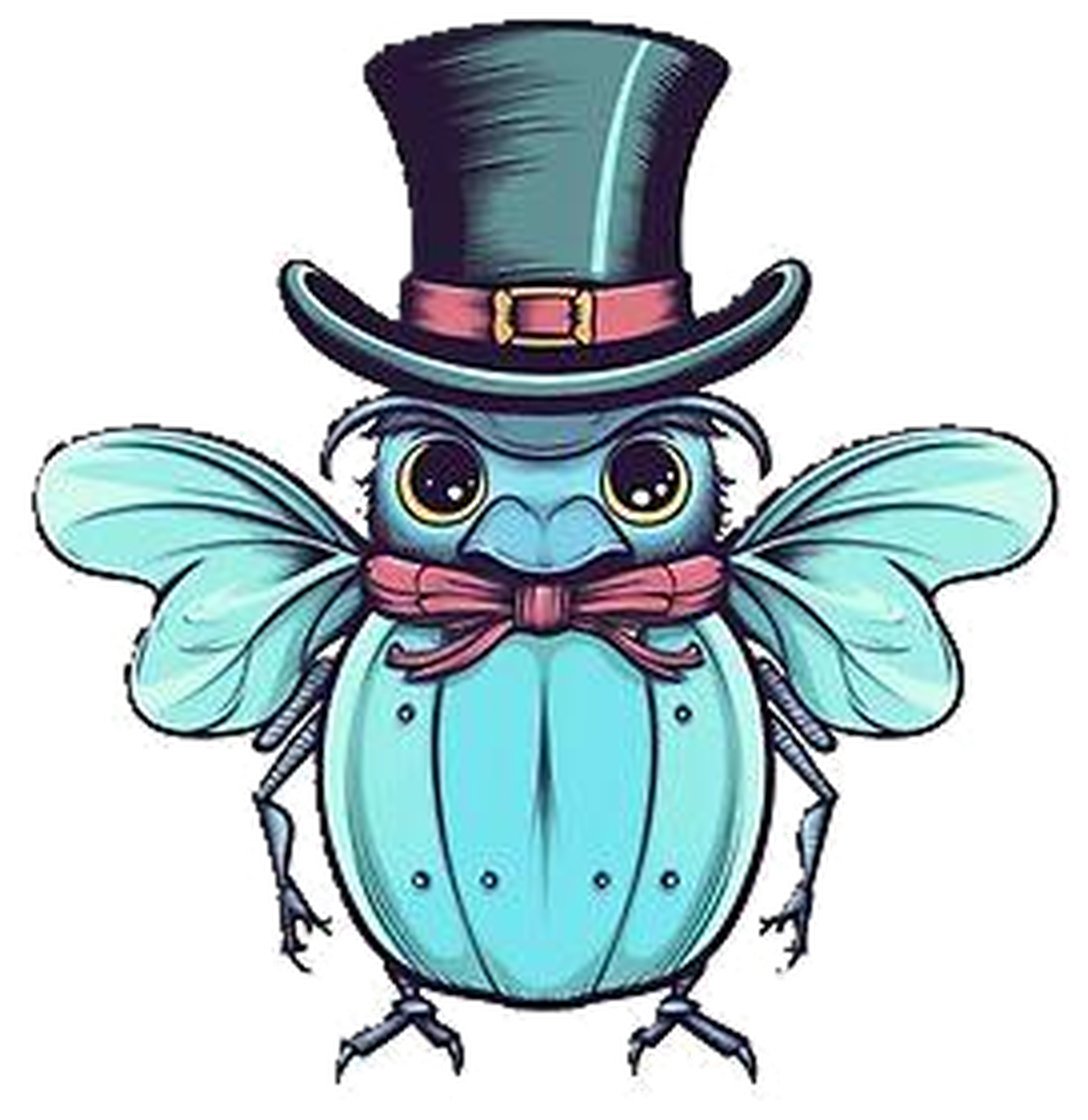
Here is the part of the Woggle-Bug story that feels unnervingly modern: in 1904, American readers were being invited to participate in a recurring public joke about an imaginary insect. They did not call it a meme. The idea would not receive that modern name until much later. But the mechanics—repeatable setup, mysterious punchline, community participation, relentless distribution—feel very familiar.
The catchphrase was “What did the Woggle-Bug say?” It appeared alongside the syndicated newspaper comic Queer Visitors from the Marvelous Land of Oz, illustrated by Walt McDougall. The International Wizard of Oz Club describes a series of quiz-style comic endings using the question. The same phrase also appeared in associated promotional material.
The club's historical timeline notes that the Woggle-Bug touched off a national fad, including posters, postcards, sheet music and buttons. In other words: cross-platform merchandising for an insect, at a time when the platforms were newspaper pages and printed objects.
The slogan was not invented by a modern crypto team. The Oregon Daily Journal of September 24, 1904, has an item headed “Still the Question Is: ‘What Did the Woggle-Bug Say?’”. The University of Oregon's Historic Oregon Newspapers project preserves a PDF of that page. It is a real dated newspaper artifact.
A hundred years before the reply section, there was a question waiting for a reply.
No historian could responsibly establish that from these sources. Shared jokes, images, phrases and imitation existed long before 1904, and “meme” is a retrospective label here. Calling the Woggle-Bug an early pre-internet viral character is better supported than claiming he invented memes or was the very first one.
Our creative headline—the original 1904 meme, reborn—is a playful description of this documented publicity craze, not a serious claim that nothing meme-like existed before it.
The modern version practically writes itself: post WOGGLE in an absurd situation, leave the speech bubble blank, and ask everyone what he said. The original question becomes a living format again. Instead of winning a newspaper prize, participants get the joy of writing the worst fake intellectual advice imaginable.
That is how the old story can inspire a new culture without pretending that history started with a token.
Research links for the historical and technical claims in this dispatch:
A tiny classroom intruder, a professor named Nowitall, and one magnificently improbable growth spurt.
One department-store window, a mannequin, and the most catastrophically misdirected romance in Oz-adjacent literature.
The evidence for a genuine 1904 publicity phenomenon goes well beyond a single book.
An editorial manifesto for bringing a thoroughly educated, completely wrong insect into a very strange internet.
Mint addresses, liquidity, community, and the risk disclosure an honest memecoin site should display.